
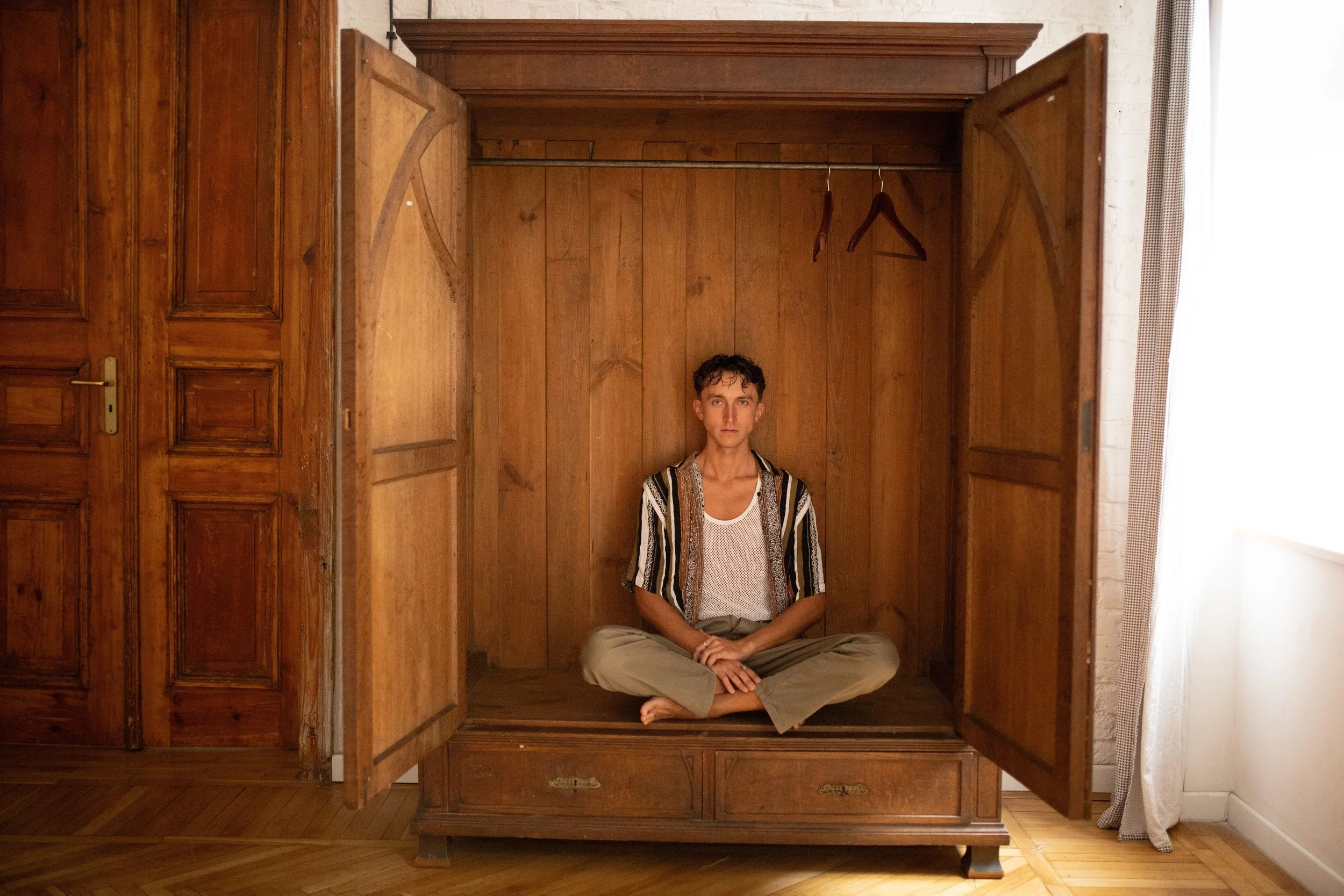
About MEHAUS
Interior design shaped by art, fashion, place and the way rooms change how we feel
I am an interior designer based in King’s Lynn, working across West Norfolk and nearby areas.
I create interiors for people who are ready for change and need help turning instinct, ideas and emotion into a clear direction. My work brings together interior design, visual culture, practical planning and a deep interest in how rooms affect mood, focus, rest, confidence and daily life. A belief behind MEHAUS I believe a room should serve a purpose so a person can grow.
My route into interiors was not straight, but it was always visual
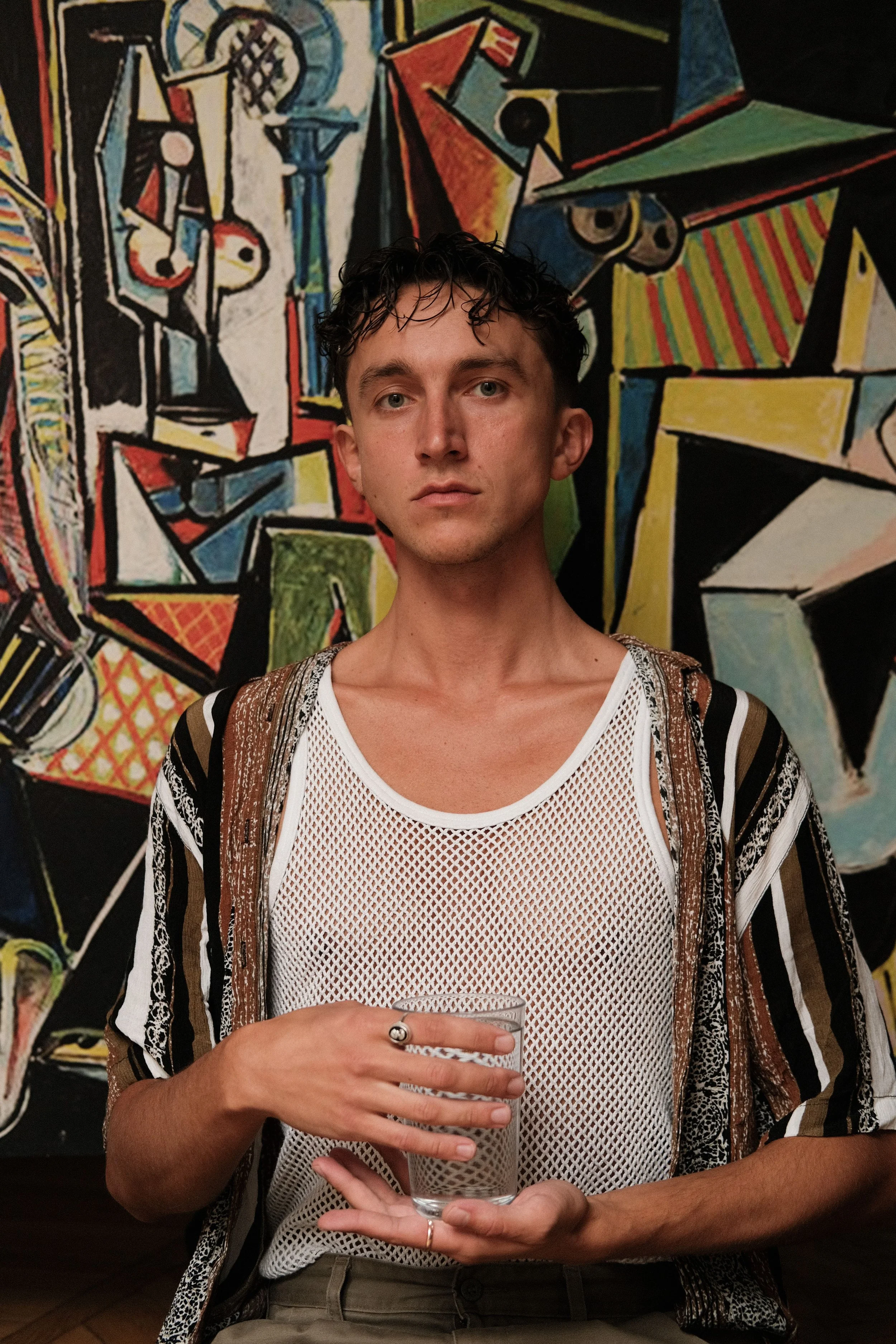
Before founding MEHAUS, I trained in art and design in Łódź, Poland at the Strzemiński Academy of Fine Arts, where I graduated in Interior Design in 2020.
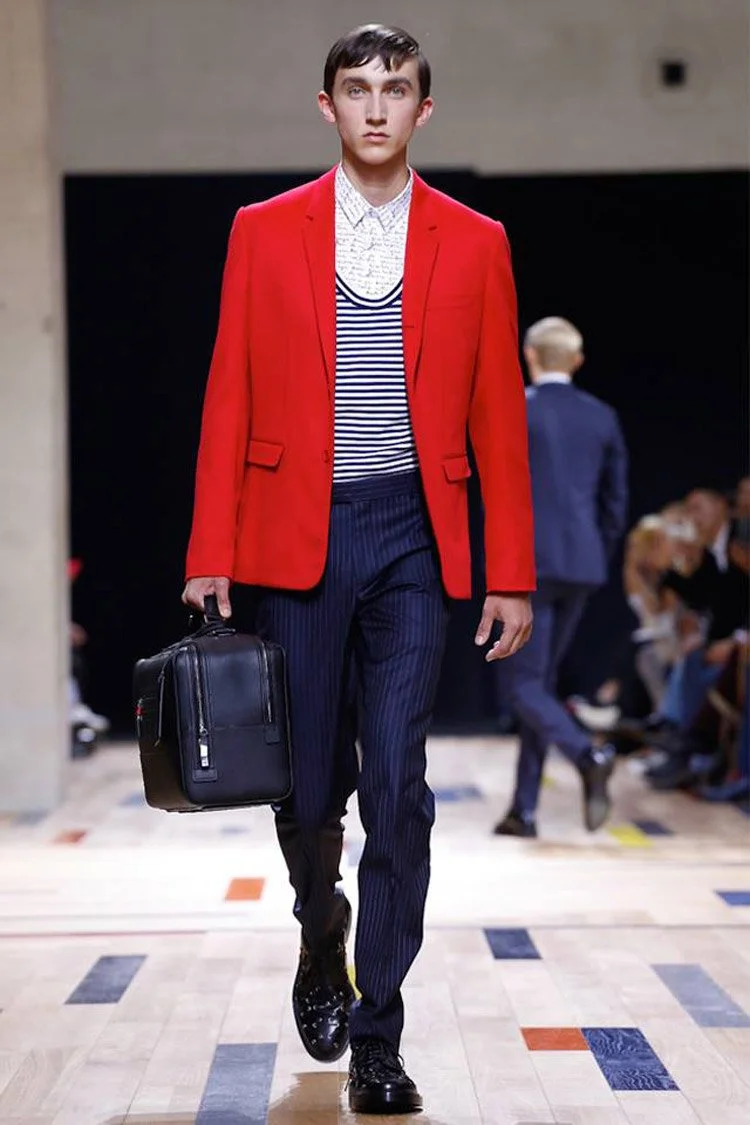
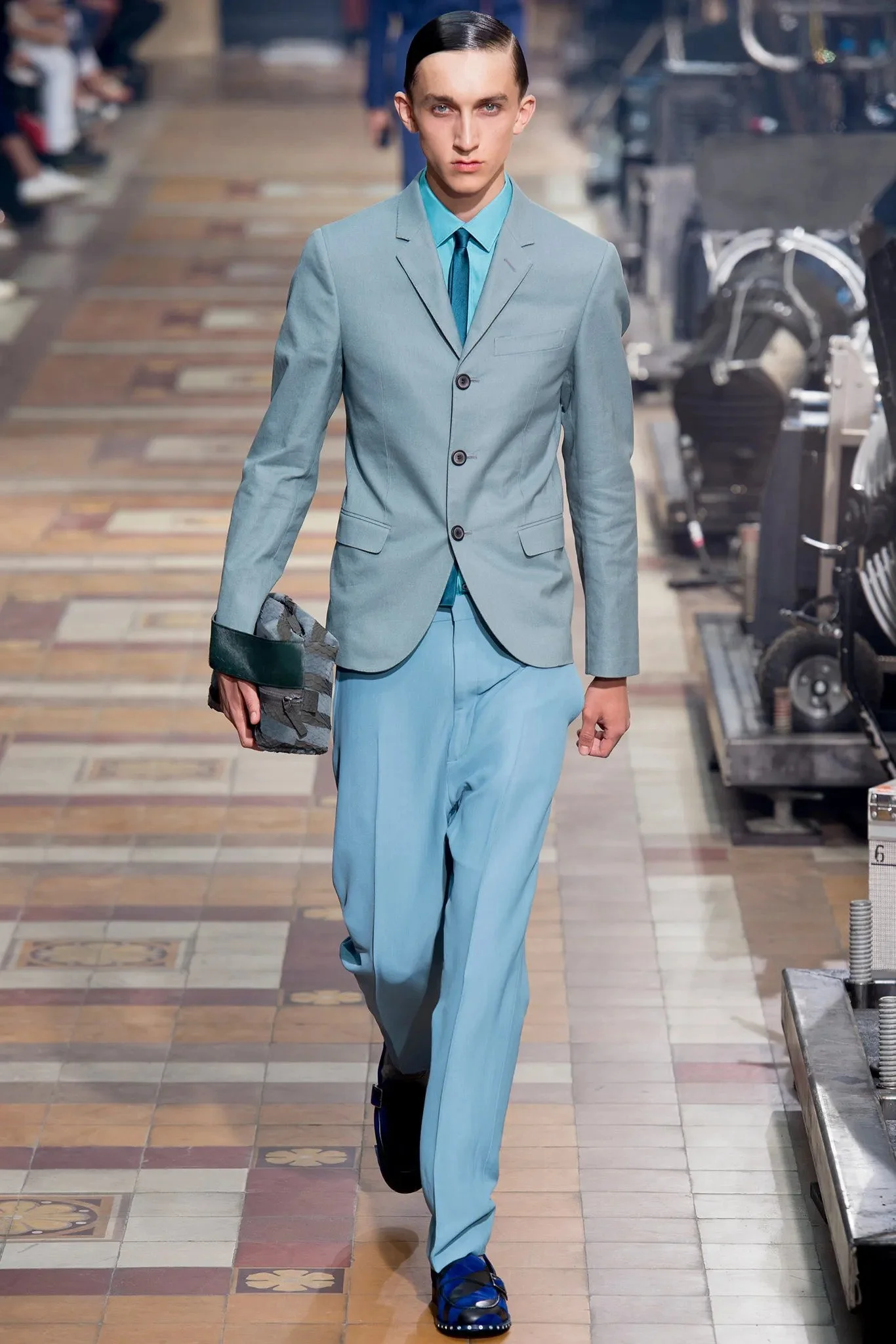
I spent years inside fashion, working between Paris, London and Milan, living in Tokyo. These experiences taught me how atmosphere is built. How proportion changes the body. How restraint can carry power. How colour, material, movement and light can change the emotional temperature of a moment.
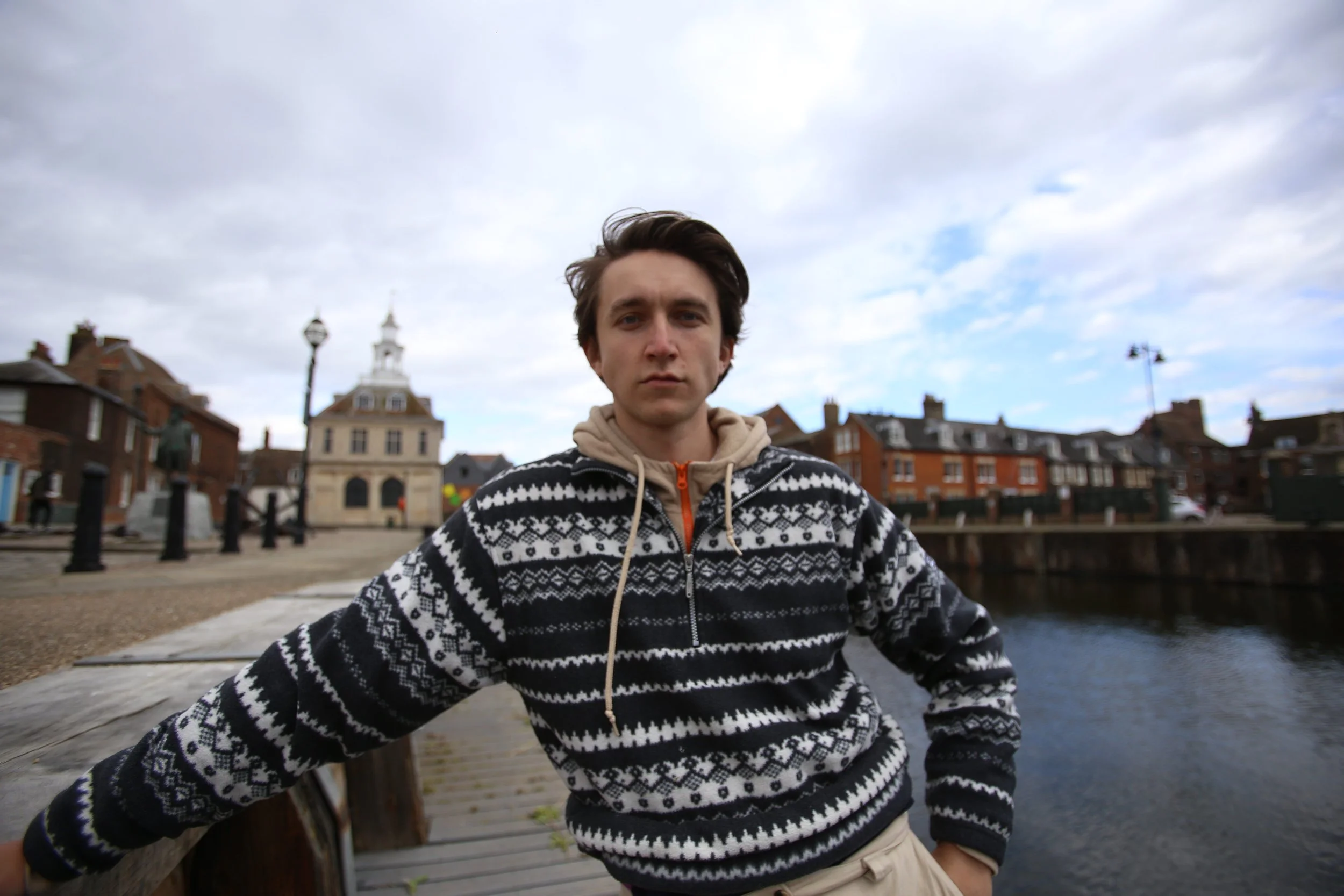
Homes are the most available form of beauty
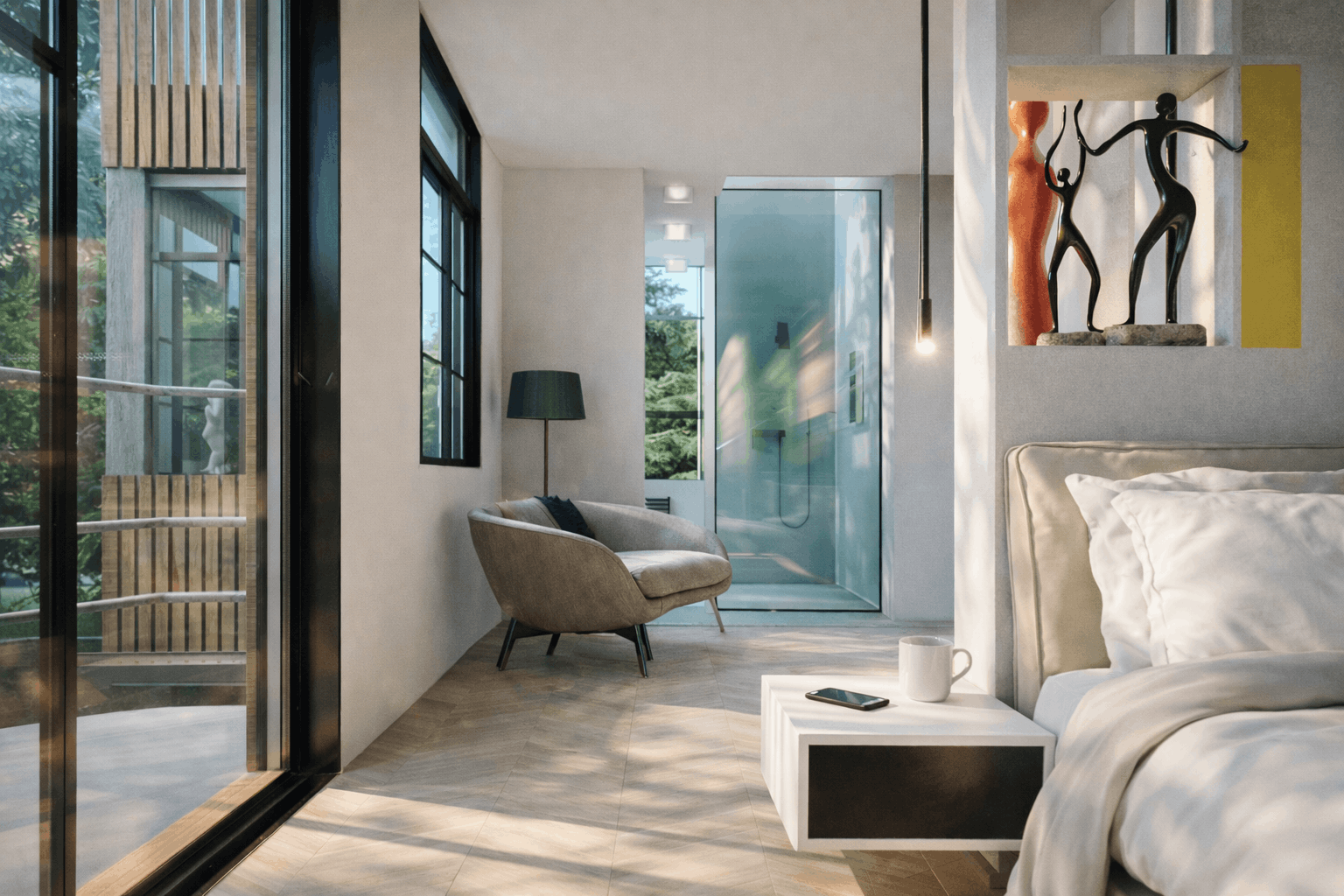
A room can change how you wake up, work, rest, eat, recover, think and begin again.
You inhabit spaces, and spaces shape you back. A home can make life feel clearer or heavier, softer or more scattered, more possible or more blocked. I became interested in that exchange, in how people shape rooms, how rooms shape habits, and how beauty can support growth in an ordinary day.
Working Together
Every project begins with a short questionnaire designed to prepare the in-person consultation.
It helps identify sensory thresholds, habits, and patterns of use before we meet, allowing the session itself to focus on observation and decision making.
or send a short email to
start@mehaus.uk